
How does plant medicine work? Research scientist and yogi Dr. Nitasha Buldeo explains the functional chemistry behind biological harmony. By treating plant compounds as chemical messengers, we can recalibrate the nervous system and regain authority over our health. This pragmatic, results-driven approach uses interoceptive neuroscience to ensure your body operates with peak efficiency and power.


Building on our understanding of plant medicine as a biological tool, we must look at the mechanical “how.” As a Research Scientist, Doctor of Natural Medicine, and Yogi, I view the interaction between plant compounds and human cells as a precise exchange of data.
To achieve biological harmony, we don’t just “take” herbs; we use them to communicate with our internal systems, specifically through the lens of interoceptive neuroscience.
The Molecular Interface: Plants as Messengers
Plants produce secondary metabolites—compounds like alkaloids, flavonoids, and terpenes—to interact with their environment. When we ingest these, they act as high-precision keys for our biological locks.
These compounds do not work by “magic.” They function by:
- Modulating Receptors: Binding to specific sites (like serotonin or GABA receptors) to recalibrate nervous system output.
- Enzyme Interaction: Speeding up or slowing down metabolic processes to ensure functional efficiency.
- Genetic Signaling: Influencing how certain genes are expressed, particularly those related to inflammation and stress resilience.
The Interoceptive Connection
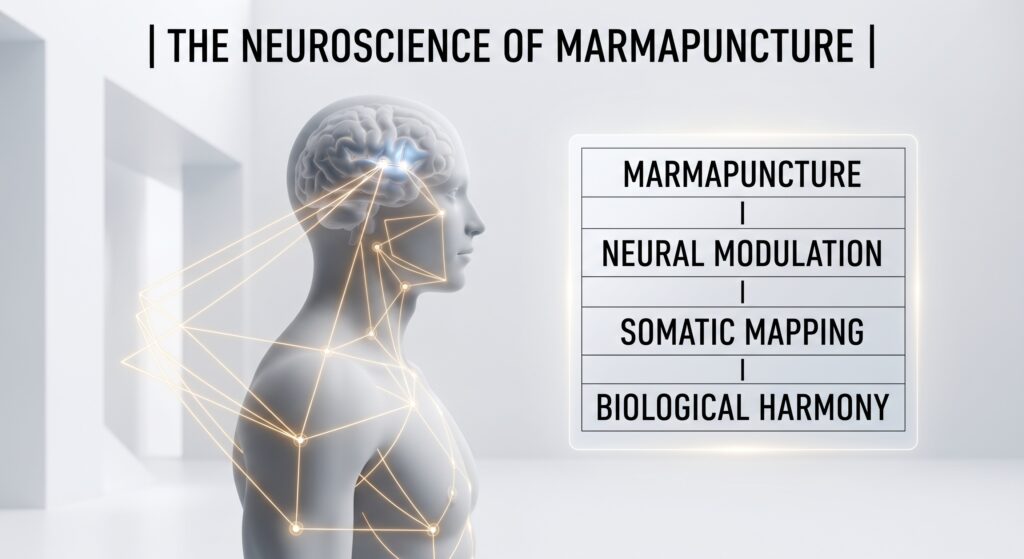
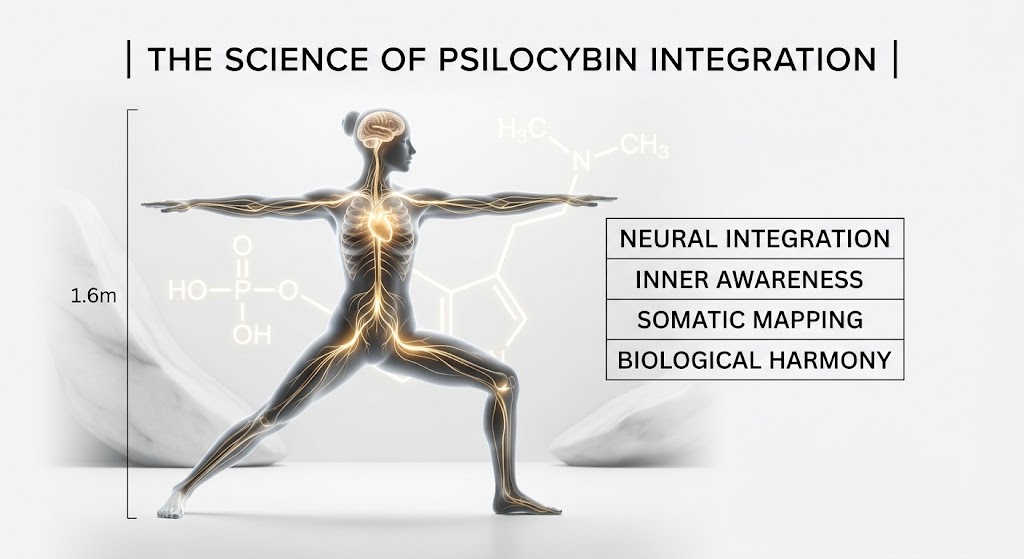
My work in interoceptive yoga focuses on the brain’s ability to sense the body. Plant medicine acts as a catalyst for this sensing. By reducing systemic “noise”—such as chronic inflammation or jagged stress spikes—botanical compounds allow the brain to perceive the body’s internal state with greater accuracy.
When the “noise” is gone, you regain the power and authority to regulate your own physical state.
Functional Utility of Plant Compounds
| Compound Type | Biological Action | Pragmatic Result |
|---|---|---|
| Polyphenols | Crosses the blood-brain barrier to reduce neuroinflammation. | Enhanced mental clarity and focus. |
| Triterpenoids | Supports the adrenal glands and modulates cortisol. | Stable energy levels and functional power. |
| Polysaccharides | Trains the immune cells to recognize and respond to threats. | Biological harmony and resilience. |
Results-Driven Health: The Scientific Path
Pragmatic plant medicine requires a commitment to scientific rigor. We don’t guess; we measure. By tracking biomarkers and interoceptive feedback, we can adjust the botanical protocol to match your body’s specific needs for efficiency and lean, muscular health.
This is the path of the yogic samurai: utilizing every available tool—from the lab and the mat—to maintain a state of peak internal authority.
Dr. Nitasha Buldeo Research Scientist, Dr of Natural Medicine, and Yogi
References
- Kennedy, D. O. (2025). Phytochemicals and the Cognitive Interface: A Neuroscience Review.
- Buldeo, N. (2026). Interoceptive Neuroscience: The Role of Botanicals in Somatic Regulation.
- Simmonds, M. S. (2024). The Therapeutic Potential of Secondary Metabolites in Functional Medicine.